Fuji Heavy Industries · Engine Archive

F480
& F500K

The Sound of an Era

Before Subaru defined the all-wheel-drive family car, Fuji Heavy Industries built small-displacement engines that powered a generation of American mini-bikes and trail machines. The 80cc F480 and 100cc F500K are the machines that started it all.

2
Stroke
80cc
F480 Displacement
100cc
F500K Displacement
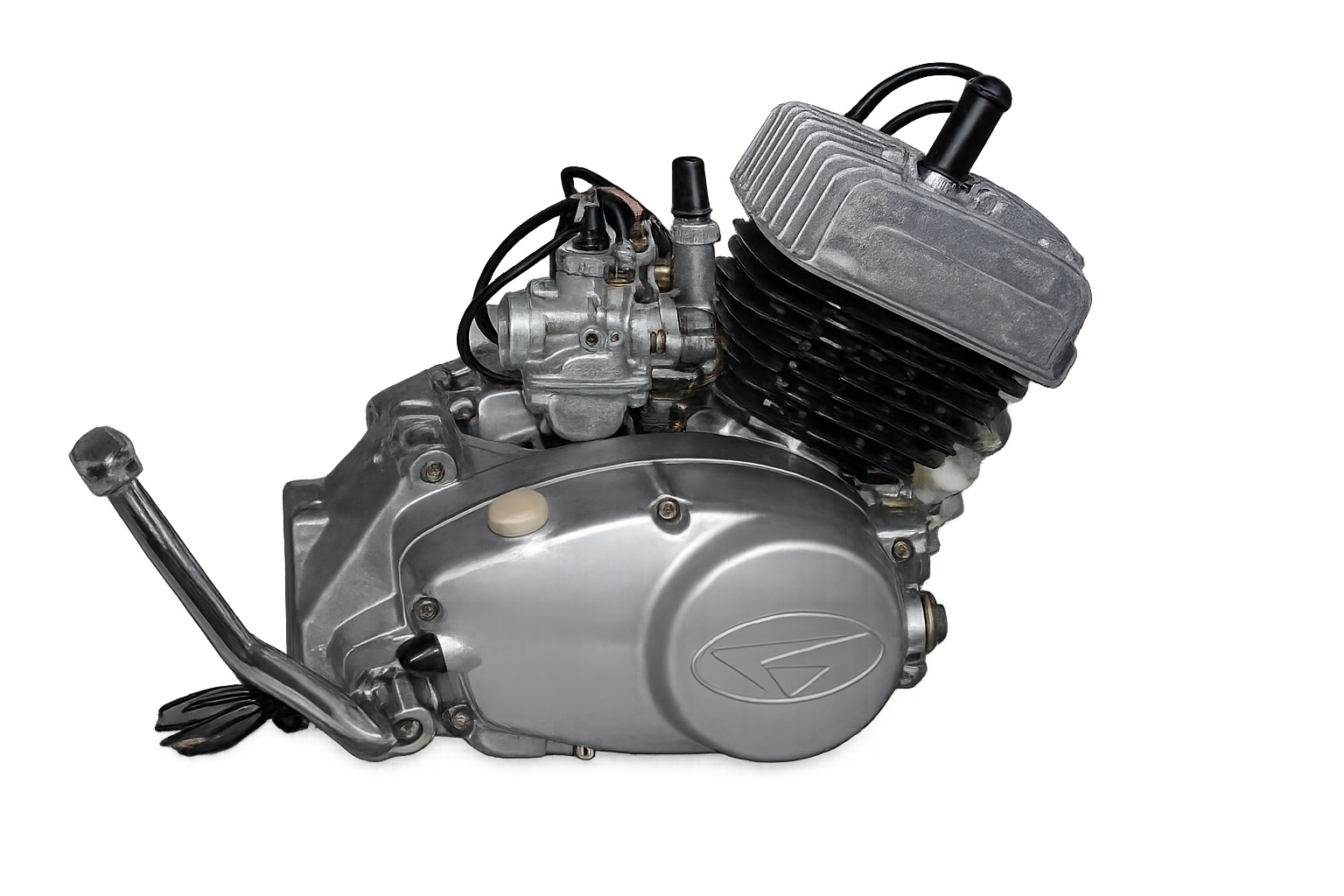
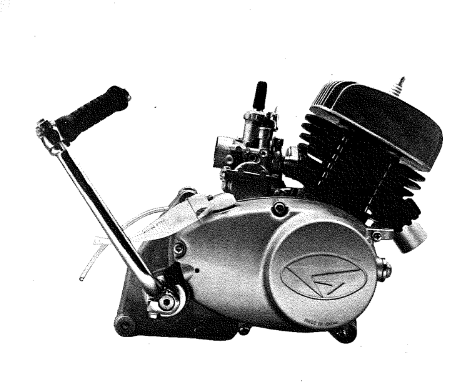
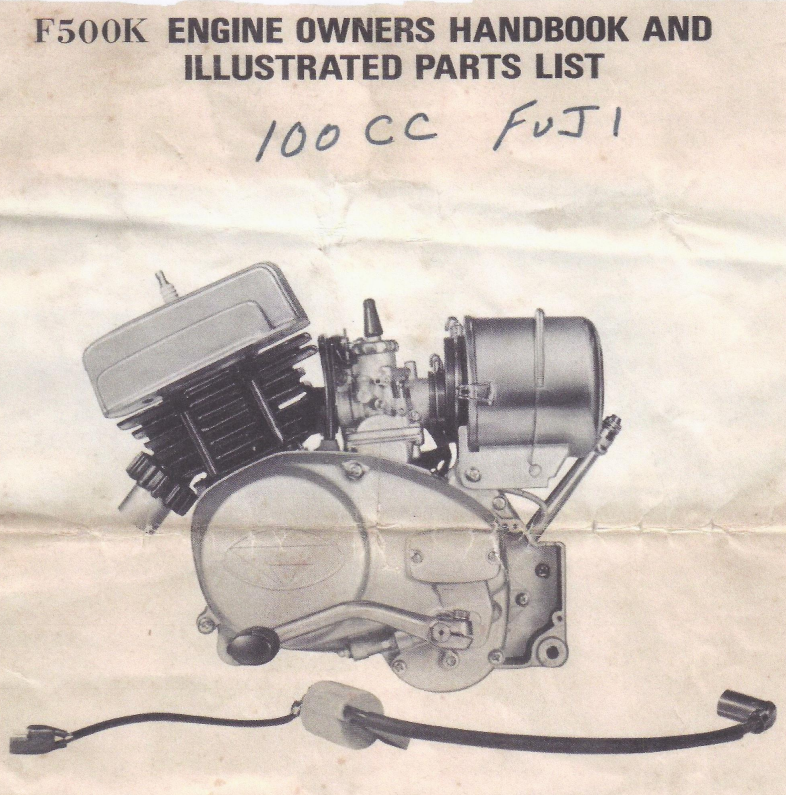
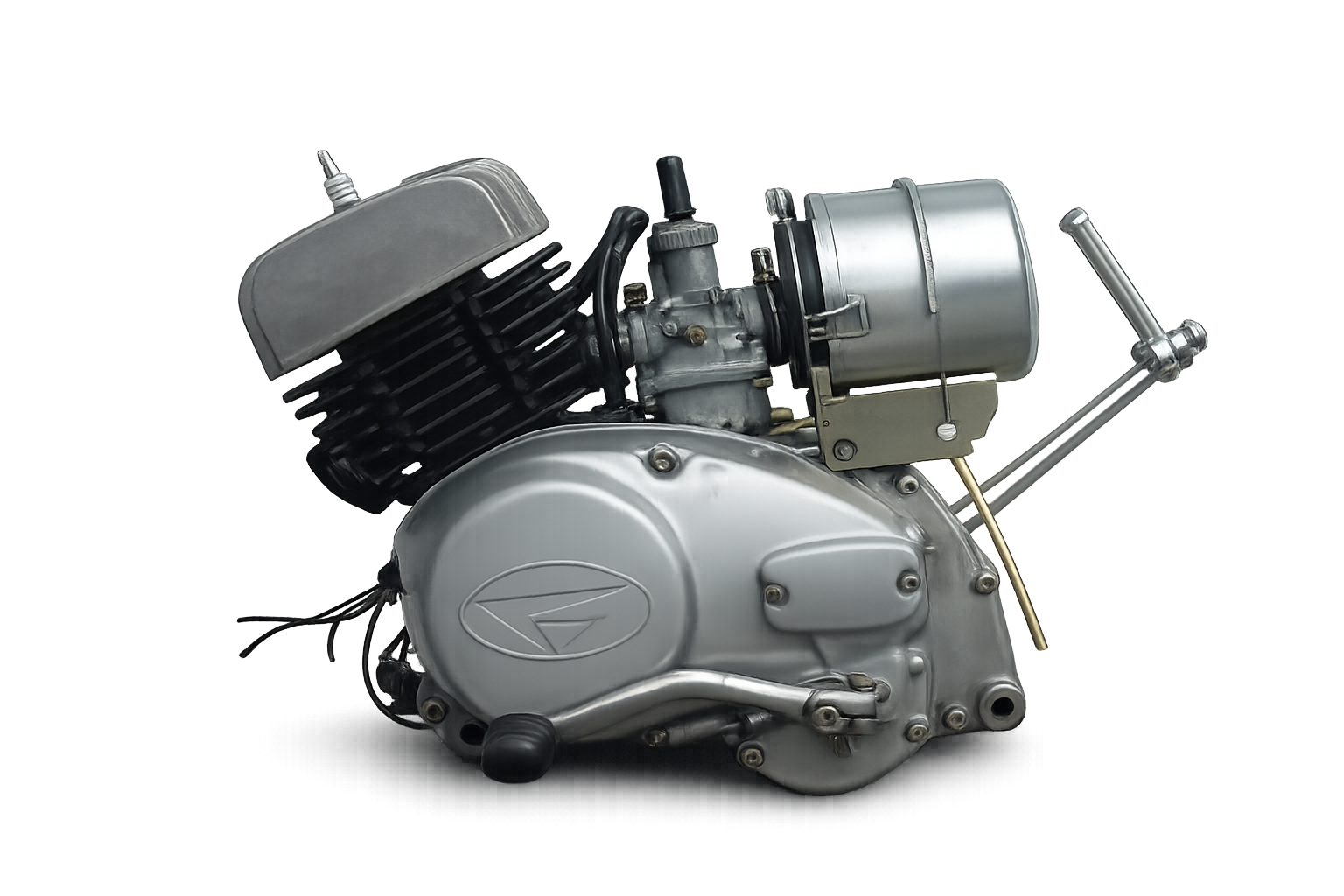
F500K Engine Illustration

F500K · Technical illustration · Fuji Heavy Industries

Built in
Postwar Japan

The origins of Subaru go all the way back to 1917 when Nakajima aircraft was formed. The company had a reputation for building highquality aircrafts with advanced technology. Nakajima aircraft was dissolved after World War II and reborn as Fuji Heaby Industries, a post-war ban on Military related production made capacity for production of other items. As the economy and the population began to grow there was a need for affordable transportation in Japan. The first rabbit scooter called the S1 began production in June of 1946 which predates the vespa, which is so well known in the scooter world. The S1 was a 135c 2 horsepower scooter that was both fuel efficient and reliable. It used Surplus airplane tail wheels for the front wheels of the scooter. The very first rabbit scooters were imported into the US in 1957 by rabbit Motor Sales of San Francisco California; then succeeded by the authorized distributor American rabbit company of San Diego. The rabbit models sold in the US ranged from the s72 to the s601. This particular rabbit scooter is an s402 model 150 touring produced from 1962 to 1968 and over 4600 were produced during that time it used lightweight composite materials to reduce weight for better performance and better fuel economy. Also rabbit was one of the first scooters to offer a semi-automatic transmission. Fuji heavy Industries had discovered that the success of the Subaru 360 was greater than anticipated and had decided to put their efforts into the production and marketing of that vehicle. The last Fuji rabbit scooters the s211 came off the production line on June 29th 1968.

The F480 and F500K engines emerged from this crucible of necessity and ingenuity. Compact, reliable, and well-suited to the lightweight motorcycle frames of the era, they represented the engineering philosophy that would later make Subaru automobiles famous: flat-layout configurations, opposed-cylinder thinking, and a relentless focus on durability.

These two-stroke powerplants found homes in several motorcycle models produced under the Rabbit and other marques, helping to motorize a nation during its extraordinary postwar reconstruction.

1945

Company Rebirth

Nakajima Aircraft reorganizes as Fuji Heavy Industries, pivoting from aviation to civilian goods.

1946

First Motorized Products

FHI begins producing small engine-powered vehicles, establishing its engineering base for motorcycles.

Early 1950s

Rabbit Introductionn

The Rabbit Scooter, powering lightweight scooter across the Japanese market.

Early 1970s

F500K Development

The F480 two-stroke engine enters production, powering lightweight motorcycles across the Japanese market. The evolved F500K displaces 100cc, offering more power for heavier-duty applications while retaining the F-series architecture.

Mid 1970s

The 4x4 Arrives

With the option of part-time four-wheel drive for the DL/GL station wagon, Subaru’s brand-defining moment arrives, although the company probably didn’t realize it at the time. In a road test of a ’79 model, C/D editor-in-chief David E. Davis Jr. writes: “We’ve never really been able to get our minds around the coupes and sedans, but the wagon, with four-wheel drive, is just about perfect. It has character and it works.”

Technical Data

Engine
Specifications
F480

Configuration Single-cylinder, 2-stroke
Displacement 80 cc
Cooling Air-cooled
Fuel System Mikuni vm18 Carburetor
Ignition Fuji Magneto
Transmission Manual, multi-speed
Era Early 1970s

F500K

Configuration Single-cylinder, 2-stroke
True Displacement 97 cc
Bore 53.0 mm
Stroke 44.0 mm
Compression Ratio 7.0 : 1
Power Output ~8 hp @ 7,500 rpm
Carburetor Mikuni 20mm (22mm from 1974)
Transmission 5-speed manual
Cooling Air-cooled
Ignition Magneto
Era Early 1970s

Powered Machines

Motorcycles That Ran These Engines

Indian ME100S A beautiful landscape

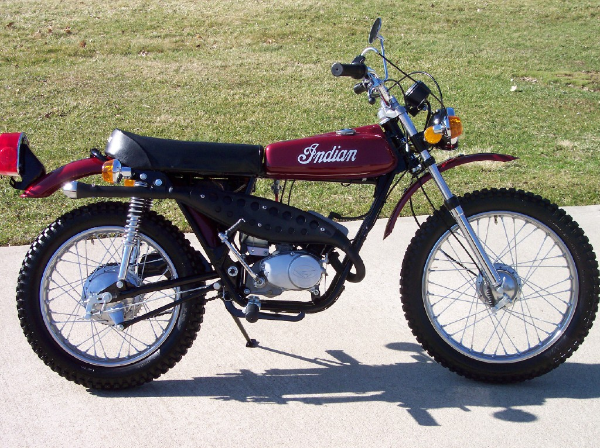
Indian ME100S · c. 1970 · F500K engine

F500K · 100cc

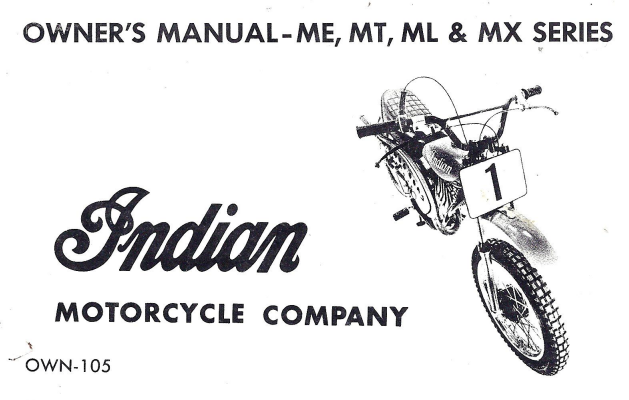
Indian ME100S

The Indian ME100S was sold under the storied Indian brand name by Indian Sales Corporation from 1972 until operations ceased in 1977. "ME" stood for Mini Enduro, and the 100S indicated the 100cc displacement class. These machines were powered by the Fuji F500K — a 97cc air-cooled two-stroke fed by a Mikuni 20mm carburetor, upgraded to a 22mm unit in 1974. Good for around 8 horsepower at 7,500 rpm and a top speed near 55 mph, the ME100S offered a simple steel frame, drum brakes front and rear, and an oil injection system — motorcycling at its most essential, wearing one of America's most legendary badges.

EngineFuji F500K, 97cc 2-stroke
Bore × Stroke53.0 mm × 44.0 mm
Compression7.0 : 1
Power~8 hp @ 7,500 rpm
CarburetorMikuni 20mm (22mm from '74)
Transmission5-speed manual
Top Speed~55 mph (88 km/h)
Weight175 lbs (79.4 kg)
Fuel Tank1.6 gal (6.05 L)
BrakesDrum front & rear
Sold ByIndian Sales Corporation
Production1972 – 1977
HPE Muskin El Gato elgato

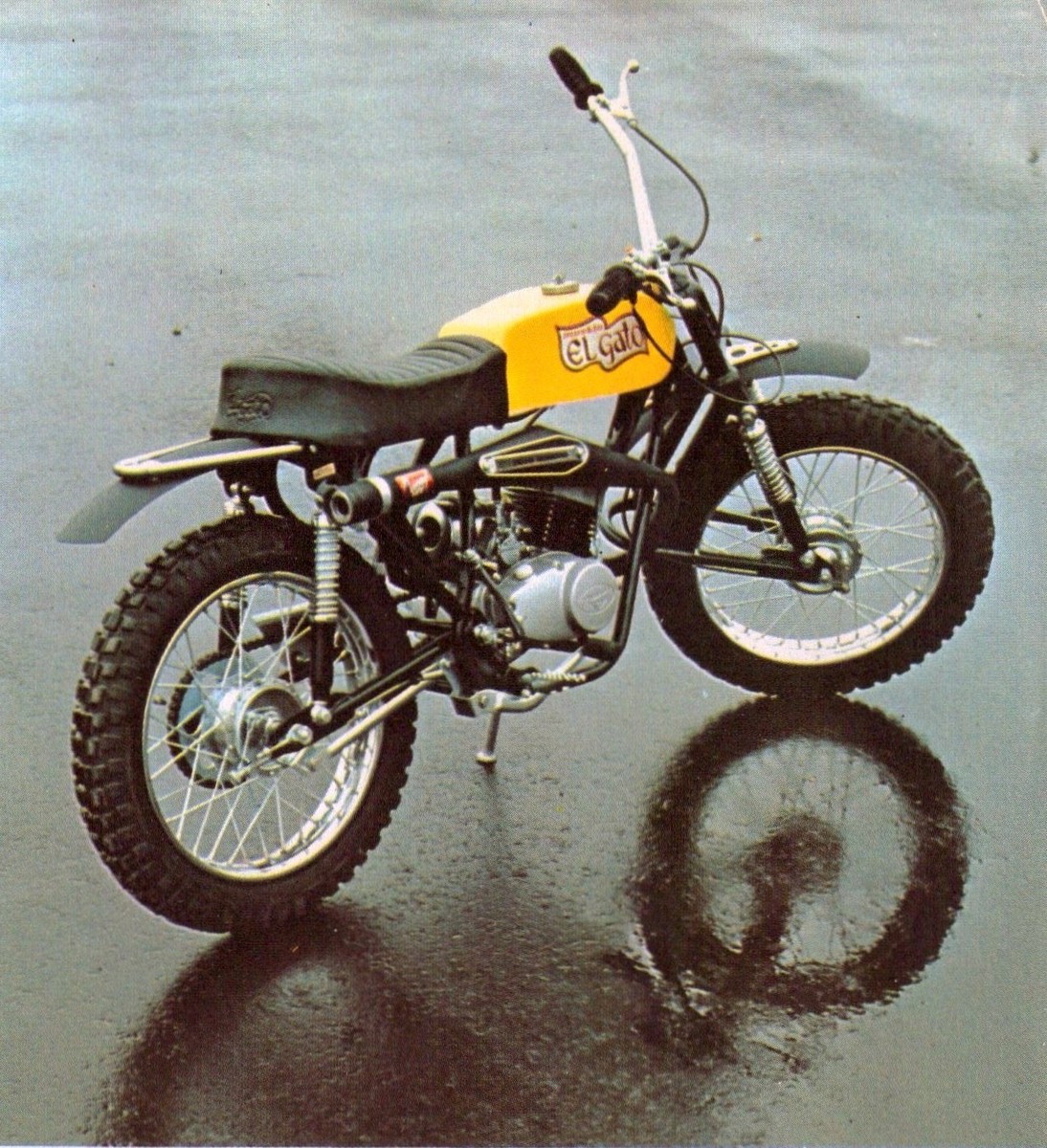
HPE Muskin El Gato · 1970–1973 · F480 engine · Chrome Yellow

F480 · 80cc

HPE Muskin El Gato

HPE Muskin was a California-based company primarily known for swimming pools — but in the late 1960s they turned their attention to motorized vehicles, producing minibikes, go-karts, and mini dune buggies sold through catalog retailers like JCPenney, Sears, and Montgomery Ward. Their "Cat" series bikes became their most celebrated machines, and none more so than the El Gato.

The El Gato — Spanish for "The Cat" — refused to call itself a minibike. Muskin coined the term "Midi-Cycle" to set it apart, and with good reason: at 125 lbs, a 44-inch wheelbase, and 16-inch wheels, it genuinely sat between a minibike and a full-size trail bike. The one-piece fiberglass gas tank and seat unit finished in signature Chrome Yellow made it impossible to miss on a showroom floor. Muskin's own literature called it an "All Family Bike" — small enough for children at 27 inches seat height, but large enough for adults to ride with some dignity. The leading-link front suspension was another point of distinction, giving the El Gato handling characteristics well above the lawnmower-fork minibikes it competed against. Power came from Fuji Heavy Industries' F480 80cc two-stroke — the same supplier that provided engines to Hodaka — mated to a four-speed constant-mesh transmission and a noise-compliant spark arrester exhaust.

EngineFuji F480, 80cc 2-stroke single
Power6.6 hp (claimed)
Transmission4-speed constant-mesh
CoolingAir-cooled
Front SuspensionLeading-link fork
Brakes105mm internal expanding, front & rear
Tires3.00 × 16 knobbies
Wheelbase44 inches
Overall Length67 inches
Seat Height27 inches
Weight125 lbs
BodyOne-piece fibreglass tank/seat, Chrome Yellow
Sold ViaJCPenney, Sears, Montgomery Ward
Productionc. 1970 – 1973
Rupp RMT80

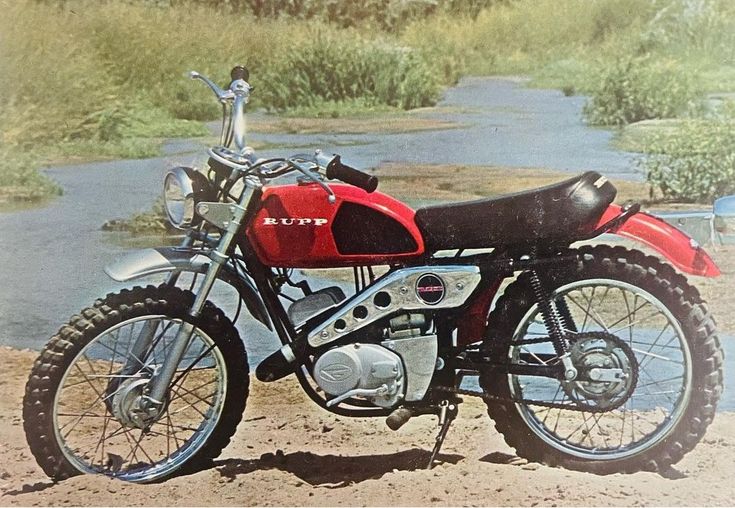
Rupp L100 · 1973 · Fuji F500K engine · Mansfield, Ohio

F480 · 80cc & F500K · 100cc

Rupp Industries

Founded in 1959 by Mickey Rupp in Mansfield, Ohio, Rupp Industries grew from a small go-kart shop into one of the most prolific mini-bike and snowmobile manufacturers in American history. By the early 1970s, Rupp had pivoted from their Tecumseh-powered flathead minibikes toward proper dirt bikes and trail machines — and Fuji Heavy Industries became their engine supplier of choice for the machines that needed genuine performance.

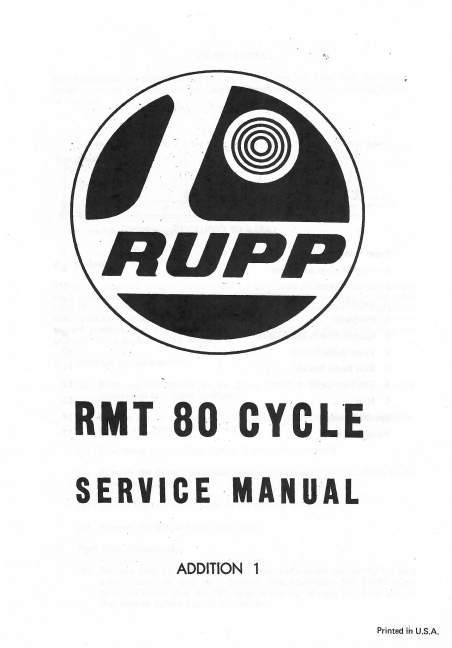
Rupp built several Fuji-powered models across the early 1970s. The RMT80, introduced in 1972, was Rupp's first larger minicycle and used the 80cc Fuji F480 with a four-speed transmission and 17-inch front / 16-inch rear wheels. The L80 and L100, offered in 1973, were Rupp's dedicated dirt bikes: the L80 used the Fuji 80cc with a four-speed, while the L100 stepped up to the F500K 100cc unit paired with a five-speed. The RST100, one of Rupp's final machines sold in 1975, was also powered by the F500K and finished in blue. Rupp Fuji-powered bikes are among the most collected machines from the era today, prized for their quality construction and the rarity of finding them in good condition.

Fuji ModelsRMT80, L80, L100, RST100
RMT80 EngineFuji F480, 80cc 2-stroke
L100 / RST100 EngineFuji F500K, 97cc 2-stroke
RMT80 Transmission4-speed manual
L100 Transmission5-speed manual
RMT80 Wheels17-inch front / 16-inch rear
CoolingAir-cooled
Founded1959, Mansfield, Ohio
FounderMickey Rupp
Fuji Production Era1972 – 1975
Also MadeSnowmobiles, go-karts, dune buggies
Nakajima Aircraft · est. 1917
Reorganized 1945
Fuji Heavy Industries · 1953
Renamed 2017
Subaru Corporation · present

The company that built the F480 and F500K engines is today known the world over as Subaru Corporation. Founded as Nakajima Aircraft in 1917, it was one of Japan's foremost aviation manufacturers — responsible for the engines that powered many Imperial Japanese aircraft during the war years.

Following Japan's defeat in 1945, General MacArthur's occupation authorities dissolved Nakajima and its assets were divided among six successor companies. These companies later reunited as Fuji Heavy Industries in 1953, determined to apply their precision engineering heritage to peacetime products.

The F480 and F500K were among the earliest fruits of this rebirth. The lessons embedded in those motorcycle engines — particularly around compact, efficient powerplant design — directly informed the development of the Subaru 360 minicar in 1958 and the legendary Subaru Boxer engine architecture that followed.

In 2017, Fuji Heavy Industries officially renamed itself Subaru Corporation, completing a journey from wartime aerospace to becoming one of the world's most distinctive automotive brands. The F-series engines are where that journey's engine first turned over.

Documentation Archive

Engine Manuals

Service manuals, parts diagrams, and owner's documentation for the F480 and F500K engines. These are scanned and digitized from original Fuji Heavy Industries and OEM sources. Downloads are free for personal and restoration use.

PDF
F480

F480 Engine Service & Repair Manual

Fuji Heavy Industries · Original Issue

Complete workshop manual covering engine disassembly, inspection tolerances, carburetor adjustment, ignition timing, and reassembly procedures for the 80cc F480.

Download PDF
PDF
F480

HPE Muskin El Gato Owner's Manual

HPE Muskin · OEM Issue

Original owner's handbook for the El Gato, including F480 engine break-in procedure, maintenance schedule, and parts ordering information as issued by HPE Muskin.

Download PDF
PDF
F480

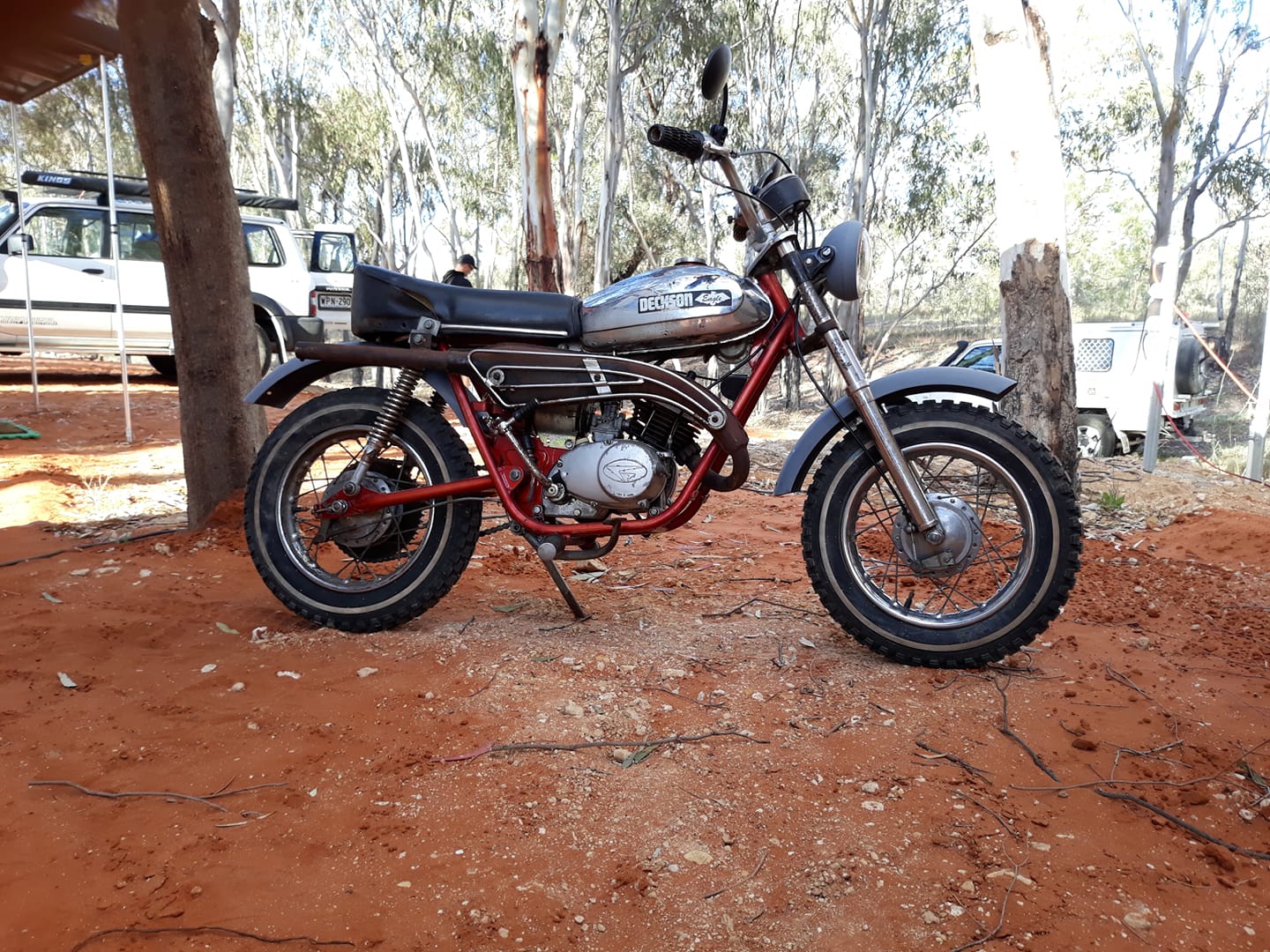
Deckson Eagle 80 Parts & Service Manual

Deckson · OEM Issue

Deckson's factory service document for the Eagle 80, with exploded parts diagrams, torque specifications, and F480 engine wiring schematic.

Download PDF
PDF
F500K

F500K Engine Service Manual

Fuji Heavy Industries · Original Issue

Full factory service manual for the 100cc F500K engine. Covers the Kai-series updates versus the F480, piston ring specifications, and magneto service procedures.

Download PDF
PDF
F500K

Indian ME100S Service Manual

Indian Sales Corp. · OEM Issue

The complete Indian-branded service document covering the ME100S, which used the F500K powerplant. Includes frame, suspension, and F500K engine chapters.

Download PDF
PDF
F500K

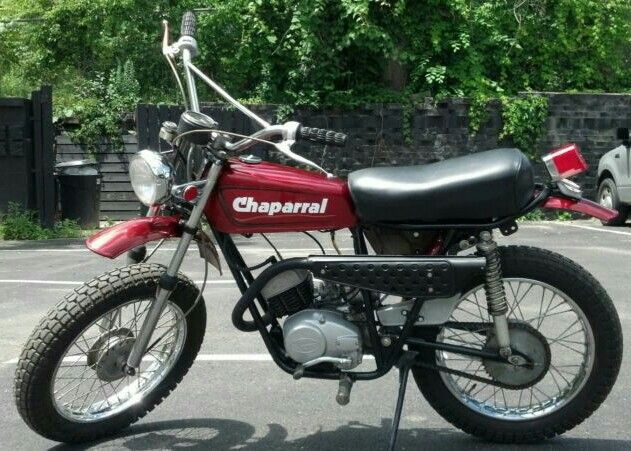
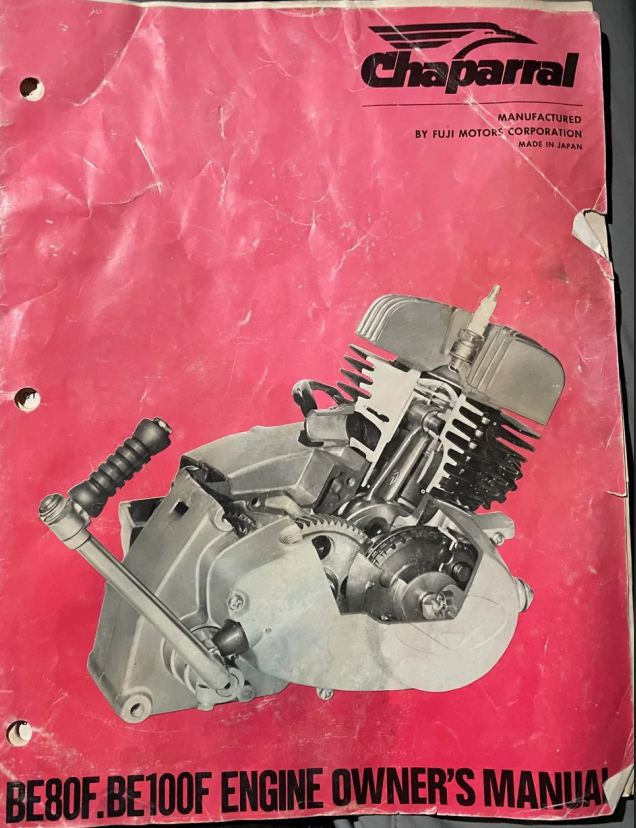
Rupp & Chaparral F500K Service Guide

Compiled · Enthusiast Edition

A community-compiled service guide drawing on original Rupp and Chaparral factory literature for F500K-equipped models. Includes cross-reference part numbers from both brands.

Download PDF Download PDF
Have a manual we're missing? If you own original Fuji, HPE Muskin, Deckson, Indian, Chaparral, or Rupp documentation not listed here, please get in touch — we'd love to scan and archive it for the community.

Marketplace

Parts for Sale

New old stock, used serviceable, and reproduction parts for the F480 and F500K engines and their host machines. All listings are from community members and vetted sellers. Contact the seller directly to purchase.

NOS — New Old Stock
F480

Carburetor — Mikuni VM18 NOS

Genuine new old stock Mikuni VM18 slide carburetor as fitted to the F480. Original packaging, never installed. One available.

Used — Serviceable
F480

Piston & Ring Set — Standard Bore

Original F480 piston at standard 47mm bore with new reproduction rings. Piston shows light wear, rings are unused. Suitable for a quality rebuild.

New — Reproduction
F480

Gasket Set — Complete Engine

Reproduction complete engine gasket set for the F480. Includes head gasket, base gasket, magneto cover, and all seals. Made to OEM dimensions.

NOS — New Old Stock
F480

Magneto Points & Condenser Set

Original NOS ignition points and condenser set for the F480 magneto. Correct Nippondenso units pulled from dealer old stock. Two sets available.

NOS — New Old Stock
F500K

Cylinder Head — F500K NOS

Genuine Fuji Heavy Industries NOS cylinder head for the F500K. Unmachined, never installed. Correct casting with FHI markings intact. Rare find.

Used — Serviceable
F500K

Crankshaft Assembly — Complete

Used F500K crankshaft with connecting rod, crank pin, and bearings. Measured true, within factory spec. Removed from a running engine. Ready to install.

New — Reproduction
F500K

Air Filter Assembly — Reproduction

Reproduction air filter assembly for F500K-equipped machines including the Indian ME100S and Rupp models. Correct dimensions, foam element included.

NOS — New Old Stock
F500K

Exhaust Pipe & Muffler — Indian ME100S

Original NOS exhaust system for the Indian ME100S with F500K engine. Correct heat shield, clamps, and mounting hardware included. Surface rust on exterior only.

Have F480 or F500K parts to sell? List them here and reach collectors and restorers who are actively looking. Listings are free for community members.

Submit a Listing →